
Obesity treatment shows sustained benefits after 2 years in trial
Patients on continuous Imcivree treatment had an 18.8% average BMI reduction
Written by |
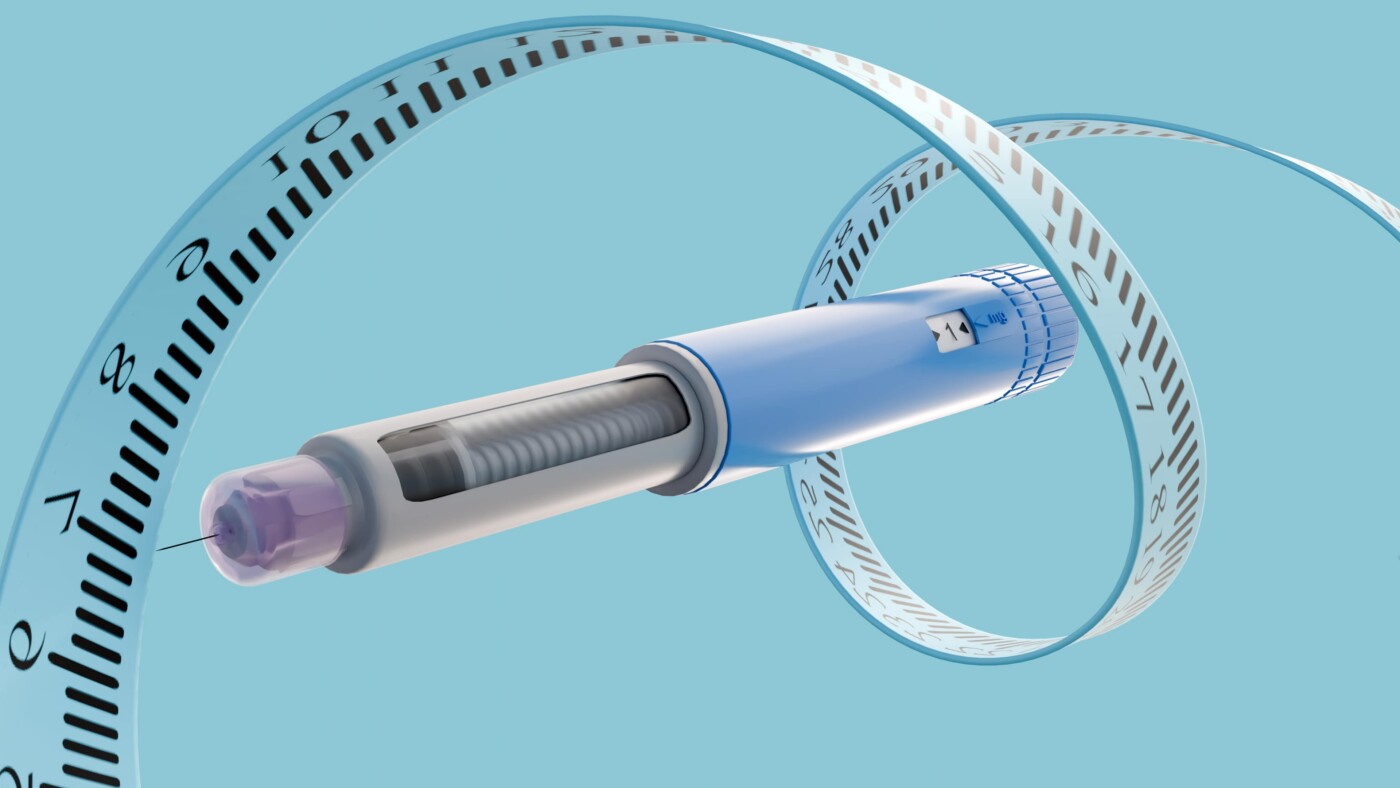
Imcivree treatment was associated with sustained reductions in body mass index (BMI) over two years in people with acquired hypothalamic obesity, according to Phase 3 trial data. (Photo from iStock)
Long-term treatment with Imcivree (setmelanotide) was associated with sustained improvements in body mass index (BMI) measures in children and adults with acquired hypothalamic obesity (aHO), new Phase 3 trial data show.
The findings were presented at ObesityWeek 2026 in Washington, D.C., earlier this month, alongside other research sponsored by Rhythm Pharmaceuticals, the therapy’s developer.
“The data presented at ObesityWeek add to our understanding of [aHO] and the potential benefits of [Imcivree],” said David Meeker, MD, Rhythm’s chairman, president, and CEO, in a company press release.

Imcivree targets disrupted hunger signals in aHO
aHO develops when the hypothalamus, a small region of the brain that helps regulate hunger and other bodily functions, is injured or does not function properly. This can disrupt the signals that control hunger and energy use, leading to symptoms such as uncontrollable hunger and reduced energy expenditure. People with aHO often gain weight rapidly and have difficulty losing it.
Imcivree activates the melanocortin 4 receptor (MC4R), a protein involved in regulating hunger and energy balance. The therapy is designed to help restore signaling disrupted by hypothalamic damage.
Imcivree is given once daily by injection under the skin. Earlier this year, it was approved in both the U.S. and the European Union to help people with aHO ages 4 and older lose weight.
Those approvals were based primarily on data from a Phase 3 clinical trial called TRANSCEND (NCT05774756). The initial pivotal analysis included 120 patients with aHO, while the full trial included 142 participants, ages 4 to 66, who were randomly assigned to receive Imcivree or a placebo for one year. Results showed that Imcivree was superior to placebo in reducing BMI and easing hunger. BMI is a measure calculated using weight and height that helps estimate body fat.
After the one-year placebo-controlled portion, participants could enter an open-label extension, in which everyone received Imcivree and was monitored for long-term outcomes.
The two-year TRANSCEND findings, including results from the first year of the extension, were presented at ObesityWeek in an oral presentation titled “Two Year Phase 3 Trial Results of Setmelanotide in Patients With Acquired Hypothalamic Obesity.”
BMI reductions sustained after 2 years of treatment
The analysis included 81 participants who had completed two years of follow-up. Of those, 54 had received Imcivree continuously, while 27 had switched from placebo after the first year. Among participants originally assigned Imcivree, mean BMI decreased by 17.3% during the first six months, exceeding the 5% reduction considered clinically meaningful.
The BMI reduction was generally sustained, averaging 18.8% after two years of continuous Imcivree treatment compared with the start of the trial.
“The sustained BMI reductions at two years in TRANSCEND build on the robust efficacy demonstrated in our pivotal Phase 3 trial,” Meeker said.
Among participants originally assigned placebo, mean BMI increased by 2.3% during the first year. Among those who switched to Imcivree, BMI fell rapidly, reaching an average reduction of 11.6% after six months of treatment and 16.5% after one year, both compared with the start of the trial.
Overall, the researchers concluded that the therapy’s efficacy “was maintained in the continuous [Imcivree] group at 2 years, and those initially assigned [the placebo] and switched to [Imcivree] after year 1 achieved clinically meaningful improvements in BMI at year 2.”
Further analyses showed improvements in both adults and children, measured by percentage changes in BMI among adults and changes in BMI z-scores among children. The therapy’s long-term safety profile was generally consistent with previous trials in aHO.
At the conference, researchers also presented new criteria intended to help doctors make an earlier, more accurate diagnosis of aHO. The criteria were outlined in a poster titled “Definition and Diagnostic Criteria for Acquired Hypothalamic Obesity: Global Expert Panel Consensus.”
New criteria aim to improve diagnosis of aHO
aHO “is a complex disease that can be difficult to recognize because patients experience varying patterns of weight gain following hypothalamic injury,” said Christian Roth, MD, a presenter and principal investigator of the Norcliffe Foundation Center for Integrative Brain Research at Seattle Children’s Research Institute. “By establishing evidence-informed diagnostic criteria, we hope to help clinicians identify the condition earlier, distinguish it from other forms of obesity and connect patients with appropriate, disease-specific care.”
Under the new criteria, diagnosing aHO requires evidence of hypothalamic injury or dysfunction, along with a characteristic pattern of weight gain. Three patterns are recognized: rapid weight gain soon after injury, gradual and steady weight gain, or weight gain that begins after an initial period of stable weight.
Patients do not have to meet the criteria for obesity to be diagnosed with aHO. They may still be in the overweight range. Having obesity before a hypothalamic injury also does not rule out aHO if a distinct change in weight-gain pattern follows the injury.
The researchers also identified risk factors that may prompt doctors to consider aHO, including certain types of brain injury and brain tumors.
“The new global expert consensus on the definition and diagnosis of [aHO] represents an important step toward better recognition and more consistent diagnosis of this serious disease, helping patients receive the care they need,” Meeker said.