
Acquired hypothalamic obesity symptoms
 Fact-checked by
 While the hallmark feature of acquired hypothalamic obesity (aHO) is rapid weight gain, this rare type of obesity can also cause other symptoms, which may help distinguish it from other forms of obesity.
Damage to an area of the brain called the hypothalamus can cause aHO. This disrupts signaling that controls appetite and energy use, leading to rapid and disproportionate weight gain. It can also lead to hormone imbalances and other symptoms, such as sleep problems.
Connecting rapid weight gain with hypothalamus damage is key for rapidly identifying aHO. This can allow doctors and patients to proactively monitor health changes and begin appropriate treatment.
Common symptoms
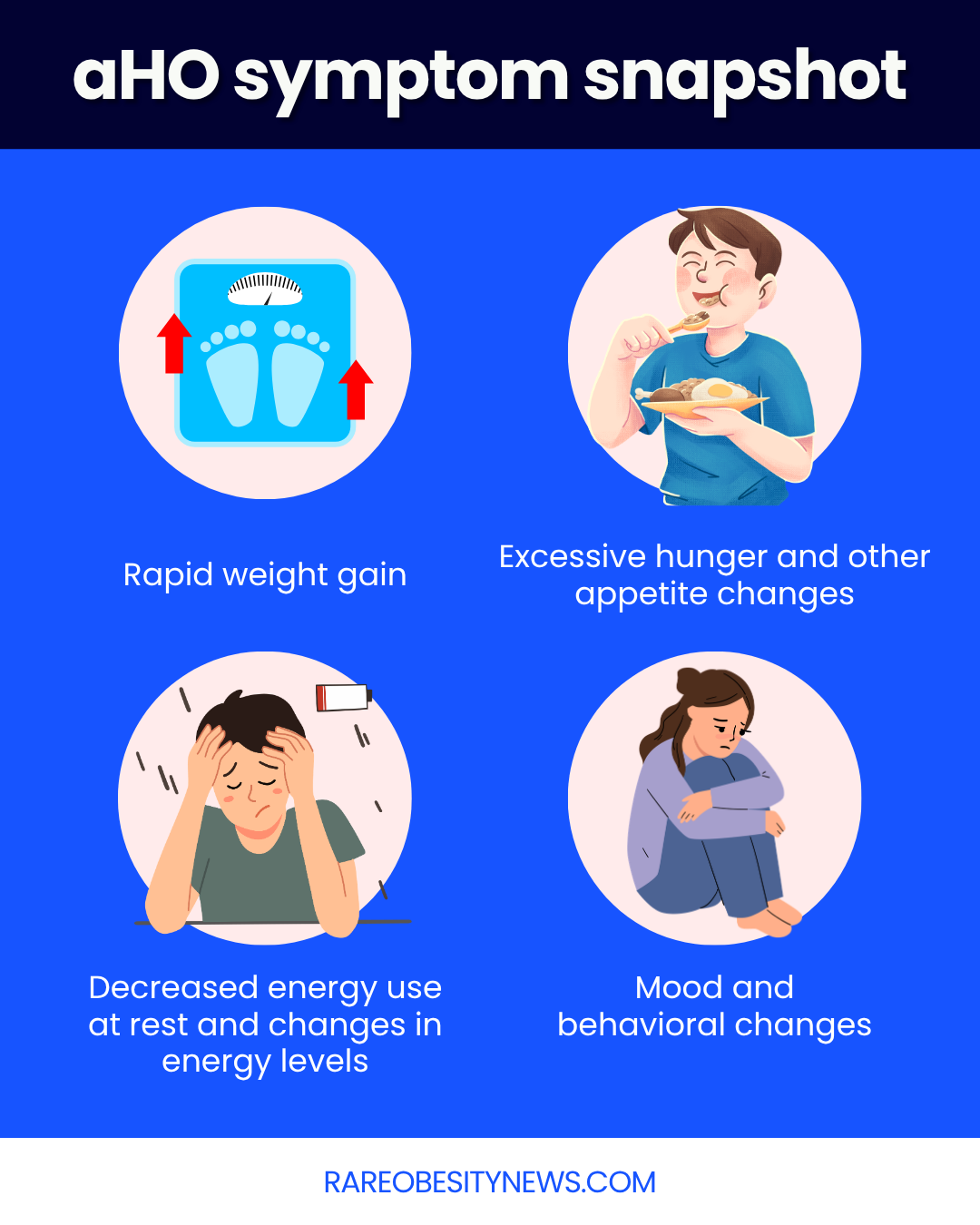
Key aHO symptoms are:
- Weight gain: A gain in weight after hypothalamic injury is often rapid, typically occurring within a few months to a year after the event that damages the hypothalamus. It commonly does not slow in response to standard lifestyle changes recommended for weight loss, such as limiting calories or food intake, and can lead to obesity.
- Appetite changes: Appetite changes after hypothalamic injury may include excessive hunger or not feeling full after eating. Some people may experience hyperphagia, a feeling of extreme, and often hard-to-control hunger that doesn’t go away after eating.
- Energy changes: Changes in brain signaling and hormonal imbalances in aHO cause people to use less energy and burn fewer calories at rest, which contributes to weight gain even when eating and exercise habits don’t change. Hormone changes brought on by damage to the hypothalamus can also affect mood and energy levels, which can in turn reduce a person’s ability to exercise and be physically active.
People with aHO may also experience other symptoms associated with damage to the hypothalamus, which may include:
- behavioral problems
- changes in sleep patterns, including insomnia or excessive daytime sleepiness
- difficulty regulating body temperature
- growth problems
- changes in reproductive function or sex drive
- seizures
- reduced or no thirst
Some of these may reflect problems with the pituitary gland, a small hormone-releasing gland in the brain that is connected to and regulated by the hypothalamus.
Symptoms specific to children and adolescents
Certain symptoms of hypothalamic dysfunction may be more evident in pediatric aHO than adult aHO, such as:
- short height
- delayed or early (precocious) puberty
- other developmental changes
Many of these developmental changes are related to problems with pituitary hormones. The pituitary gland produces growth hormone, which influences height. It also indirectly regulates the production of sex hormones, such as testosterone and estrogen, that affect puberty. Doctors generally recommend monitoring children with aHO for these symptoms, because they may require targeted treatments.
How symptoms may differ from typical obesity
The causes of aHO distinguish it from common obesity, as do certain signs and symptoms.
Scroll horizontally to view all columns -->
| aHO | Typical obesity |
|---|---|
| Weight gain is often rapid | Weight gain speed can vary |
| Weight gain is often disproportionate to calorie intake | Calorie intake and weight gain are more strongly linked |
| Can cause hyperphagia | Hyperphagia is not a typical feature |
| Doesn’t usually respond to standard lifestyle changes for obesity management | May respond to diet or exercise changes |
| Symptoms of hypothalamus damage may be present | Symptoms of hypothalamus damage aren’t usually present |
Doctors may suspect aHO in cases where obesity arises after brain tumors or other potential causes of hypothalamus damage.
When to seek medical attention
A key sign of aHO is weight gain following hypothalamus damage. After a diagnosis of a brain tumor or other type of event that could damage the hypothalamus, doctors often monitor patients for weight changes and other symptoms. Because post-surgery obesity is common after procedures used to remove tumors near the hypothalamus, monitoring may be particularly important in these cases.
People with a history of hypothalamic injury may want to ask their doctors about aHO if they experience possible early signs and symptoms such as:
- sleep disturbances
- fatigue
- decreased physical activity
- hyperphagia or increased hunger
- unexplained weight gain
In cases where an hypothalamic injury isn’t known, it can be much harder to link symptoms of weight gain or obesity to aHO. In such cases, it may be helpful to screen for other features that may point to aHO, such as other signs of hypothalamic dysfunction, or obesity that doesn’t respond to conventional weight loss management strategies.
Rare Obesity News is strictly a news and information website about the disease. It does not provide medical advice, diagnosis, or treatment. This content is not intended to be a substitute for professional medical advice, diagnosis, or treatment. Always seek the advice of your physician or other qualified health provider with any questions you may have regarding a medical condition. Never disregard professional medical advice or delay in seeking it because of something you have read on this website.