
Expert review confirms trial findings for approved aHO weight loss drug
Daily injection therapy effective, eases hunger for patients ages 4 and older
Written by |
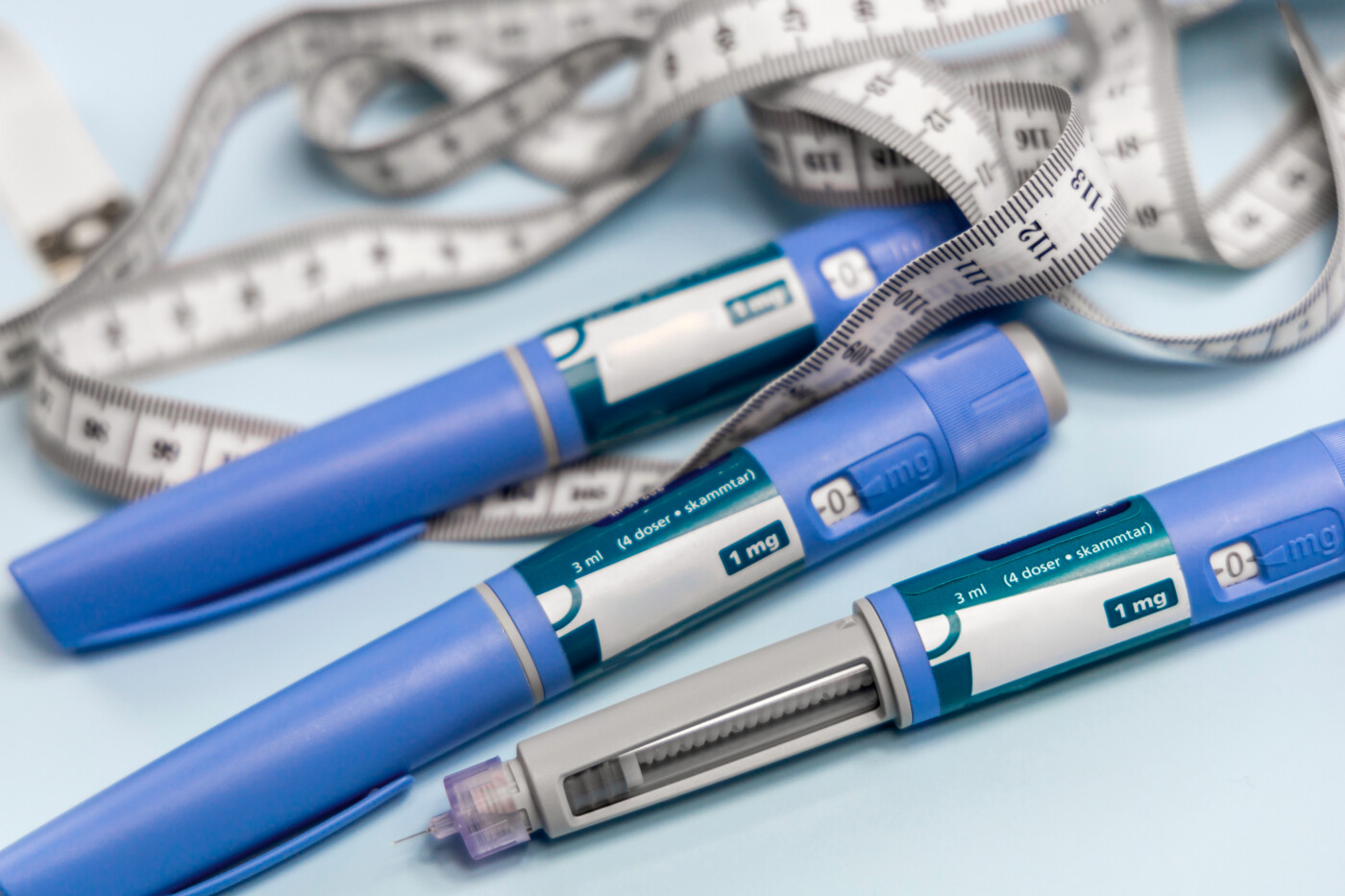
A peer review of trial data found that the injection therapy Imcivree helps promote weight loss and reduce hunger in people with acquired hypothalamic obesity.
A newly published expert review has confirmed trial data — from a late-stage study dubbed TRANSCEND — showing that treatment with Imcivree (setmelanotide) helps promote weight loss and reduce hunger in people with acquired hypothalamic obesity (aHO).
The original findings from the Phase 3 TRANSCEND trial (NCT05774756), which involved more than 100 people with aHO, served as the basis for Imcivree’s approval earlier this year in both the U.S. and the European Union. The injection drug is now indicated in both the U.S. and the EU member nations to support weight loss in people with aHO ages 4 and older.
Further, regulatory officials in Japan are reviewing an approval submission for the weight loss drug in that country, according to Rhythm Pharmaceuticals, the company that markets Imcivree.
In a new development, Rhythm announced that the clinical trial data have undergone peer review — the process where independent experts look through all the findings — with the resulting study published in The New England Journal of Medicine (NEJM). The study is titled “Setmelanotide for the Treatment of Acquired Hypothalamic Obesity.” The work was sponsored by Rhythm.
“Publication of the TRANSCEND data in NEJM underscores both the strength of the clinical evidence and the potential positive impact of [Imcivree] for people living with acquired hypothalamic obesity,” David Meeker, MD, chairman, president and CEO of Rhythm, said in a company press release detailing the findings of the review.
“We are deeply grateful to the study authors, investigators, patients and families whose commitment made this landmark trial possible. With [U.S.] and EU approvals now in place and the regulatory submission under review in Japan, our goal is to bring this first‑in‑class therapy to patients worldwide who urgently need a targeted treatment option,” Meeker added.

aHO refers to obesity that develops in people who have damage to the hypothalamus, a small brain region that helps regulate hunger and other bodily functions. The condition can lead to a wide range of symptoms, including excessive hunger, slower energy expenditure, and rapid weight gain.
TRANSCEND trial enrolled young children to older adults
Imcivree, given by daily subcutaneous, or under-the-skin, injection, works to activate a protein called the melanocortin 4 receptor (MC4R). This protein receptor helps control a neurological signaling pathway that regulates hunger, but which becomes disrupted by hypothalamus damage.
TRANSCEND followed a Phase 2 clinical study (NCT04725240) that showed that Imcivree treatment resulted in substantial weight loss in 18 aHO patients. The international TRANSCEND trial was designed to confirm the therapy’s benefits in a larger patient population.
To qualify for it, participants needed to have a confirmed history of hypothalamus injury and an elevated body mass index (BMI), a ratio of weight to height commonly used as a proxy for body fat.
A total of 120 people with aHO, ages 4 to 66, were enrolled in the main study population. There were 71 children and 49 adults; most were white and non-Hispanic individuals. Slightly more than half were female. The most common cause of hypothalamus damage, in more than three-quarters of participants, was a type of brain cancer called craniopharyngioma.
The participants were randomly assigned to receive either Imcivree or a placebo for one year, with the main goal of measuring the medication’s effect on BMI.

Results with weight loss drug vs. placebo ‘significantly better’
The data showed that, after one year, BMI decreased by a mean of 16.5% in participants on Imcivree and increased by a mean of 3.3% in those given the placebo. That result demonstrated a significantly greater reduction, by 19.8 points, with the therapy’s use.
Also, a significantly greater proportion of Imcivree-treated people experienced a clinically meaningful BMI drop of at least 5% compared with those on the placebo (83% vs. 21%). With those findings, the study met a key secondary goal, according to the developer.
Another such goal was to track Imcivree’s effects on patients’ hunger. To that end, participants ages 12 and older were asked to rate their hunger on a scale from zero to 10. Available data from 81 participants showed that average hunger scores decreased by significantly more with Imcivree than the placebo (2.73 vs. 1.45).
According to the researchers, treatment with Imcivree “led to results that were significantly better than those with placebo for the primary and all key secondary end [goals].”
The results of the TRANSCEND trial demonstrate meaningful and consistent reductions in body mass index as well as improvements in hunger.
The most common safety issues reported in participants given Imcivree were darkened skin (56%), nausea (51%), vomiting (40%), and headache (38%); these were mostly mild to moderate in severity. Rates of serious adverse events were higher in the Imcivree group (28% vs. 8%), but rates of discontinuation of the study regimen were comparable between the groups (7% vs. 8%).
A serious case of hypernatremia, or high sodium levels, was deemed related to Imcivree-induced vomiting and inability to take standard medication for an underlying condition that can cause hypernatremia. This resolved after halting Imcivree for a few days, after which the treatment was resumed, the researchers noted.
One participant with an underlying seizure disorder died while on Imcivree treatment, but the death was judged as unrelated to the medication.
Christian Roth, MD, the study’s senior author at Seattle Children’s Research Institute, noted that people with aHO “and their families face an urgent need for effective treatment options.”
“The results of the TRANSCEND trial demonstrate meaningful and consistent reductions in body mass index as well as improvements in hunger,” Roth said. “For patients and families who experience the accelerated and sustained weight gain associated with hypothalamic injury, these findings represent a potentially transformative therapeutic advancement.”