
Bardet-Biedl syndrome treatment
 Fact-checked by
 Bardet-Biedl syndrome (BBS) treatment often requires a coordinated effort from a multidisciplinary team of specialists. These experts work closely with patients and their families to monitor symptoms and track health changes over time.
The condition is rooted in genetic mutations that disrupt cilia, or the tiny, hair-like structures that act as cellular “antennas” to sense the environment and transmit signals. Because this cilia dysfunction (ciliopathy) affects cells throughout the entire body, it can lead to diverse symptoms, most notably obesity and vision impairment.
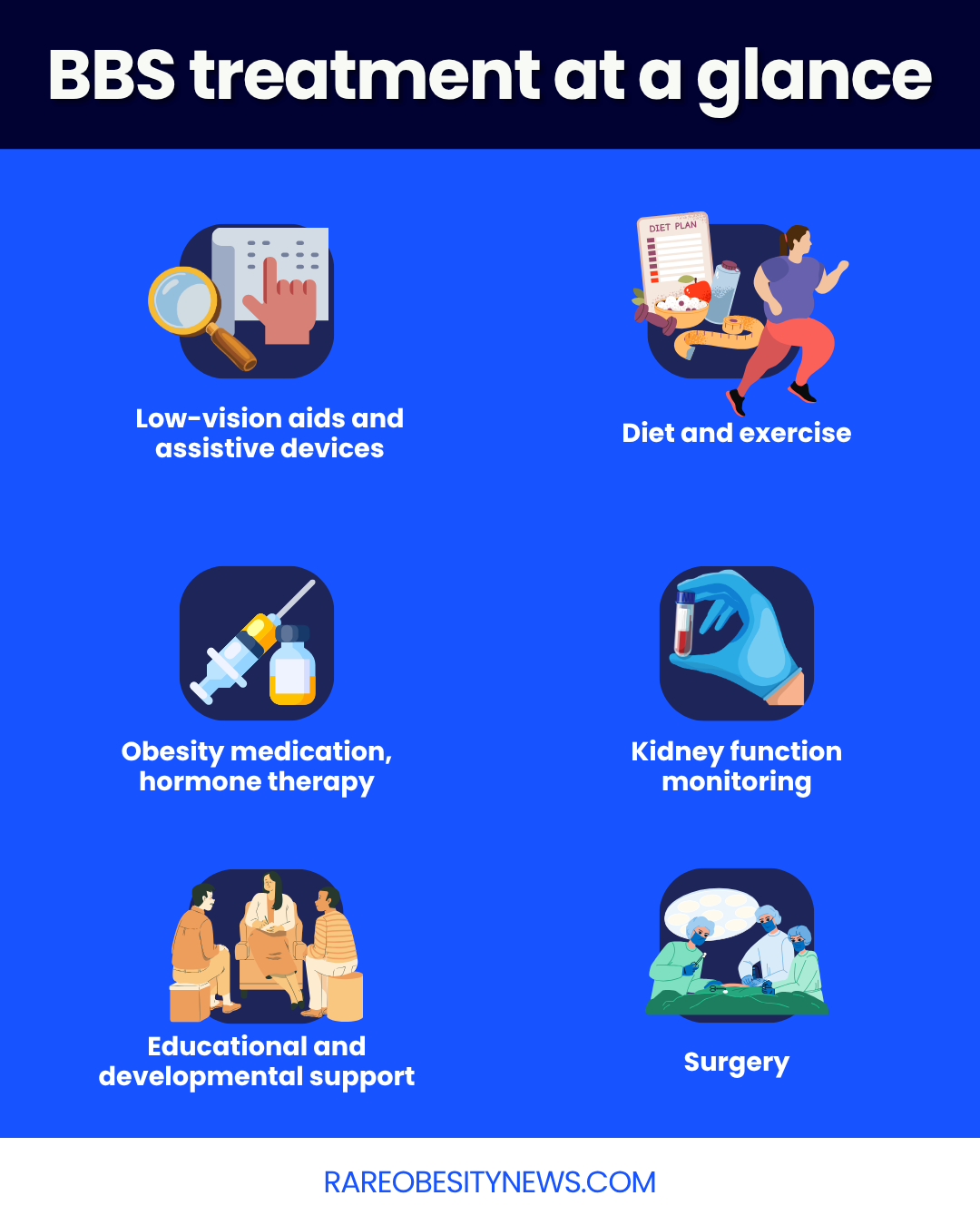
While a cure does not yet exist, several BBS treatment options are available to help ease symptoms, prevent further complications, and improve quality of life. Together, healthcare professionals and families develop a personalized BBS disease management plan tailored to each patient’s unique medical needs.
Treatment for vision problems
Most people living with BBS face significant vision loss, with many reaching the point of legal blindness by adulthood. This happens because the light-sensing cells in the retina, the back part of the eye, gradually break down over time.
While there are currently no specific BBS vision treatments available to slow or halt retinal degeneration, several interventions can help patients navigate daily life. These tools and strategies are designed to maximize independence and safety:
- Corrective lenses: Glasses can help sharpen vision during the early stages of the disease.
- Light management: Tinted lenses can reduce discomfort for those with light sensitivity.
- Assistive technology: Low-vision aids such as magnifiers, specialized smartphone apps, and other high-tech tools provide essential support.
- Communication and navigation: Learning Braille and using mobility aids, such as canes or guide dogs, helps patients stay connected and active.
- Specialized training: Orientation and mobility training can significantly improve a patient’s safety and confidence.
Doctors often suggest introducing low-vision aids for BBS early on. Starting these resources sooner rather than later helps children and adults make the most of their remaining sight and supports healthy development.
While these interventions help patients adapt, they do not stop the underlying decline in sight. However, scientists are currently researching new therapeutic interventions for ciliopathy-related retinal damage. This research includes gene therapies that may preserve vision if they are eventually approved for use.
Managing weight and metabolic concerns
About 90% of people living with BBS experience truncal, or central, obesity. This means excess weight is primarily carried in the torso and abdominal areas rather than the limbs.
Currently, Imcivree (setmelanotide) is the only therapy approved in the U.S. for weight management in patients 2 and older. This BBS medication is administered through daily injections under the skin. Data from BBS clinical trials suggest that the treatment can help patients lose weight and, importantly, maintain that weight loss over time.
A comprehensive BBS obesity treatment plan often includes lifestyle modifications, such as:
- Nutritional planning: Following a healthy diet tailored to a patient’s metabolic needs.
- Physical activity: Engaging in regular exercise personalized to a patient’s specific physical abilities.
Because these plans must be highly individualized, dietitians can help craft specific eating goals, while physical therapists can design safe and effective exercise regimens. In some cases, bariatric surgery may be an option, but while early evidence suggests it can help some patients, long-term follow-up data are still being collected.
Obesity in this community is often linked to metabolic complications or disruptions in how the body processes and uses energy. These can include high blood pressure, diabetes, and abnormal levels of blood sugar and fats.
Doctors typically manage these issues using standard medications alongside healthy lifestyle habits. Consistent checkups and regular monitoring are essential for tracking key markers and effectively managing diabetes risk in BBS.
Kidney monitoring and treatment
Roughly half of all people living with BBS have kidney abnormalities. Because early-stage kidney disease often has no visible symptoms, kidney monitoring in BBS — including routine blood and urine tests — is a vital part of proactive care.
While BBS kidney treatment generally follows standard medical guidelines, it must be tailored to the patient’s specific health profile. Common interventions include:
- Routine checkups: Regular testing to monitor kidney function.
- Lifestyle support: Strategic diet and exercise plans to reduce the workload on the kidneys.
- Blood pressure control: Medications to keep hypertension in check, which is crucial because managing hypertension in BBS helps prevent further kidney damage.
- Advanced care: For those with kidney failure, dialysis or a kidney transplant may be necessary.
When a transplant is considered, families and medical teams must carefully weigh the potential risks and benefits. While a new kidney can be life-saving, the procedure and the medications required to prevent organ rejection can sometimes contribute to further weight gain, making long-term management a key priority.
Hormone and reproductive health management
More than half of those living with BBS experience low production of sex hormones, known as hypogonadism, or structural differences in the reproductive tract.
For males, hypogonadism can lead to undescended testicles or a smaller penis size. Common medical approaches include surgery to correct undescended testicles or testosterone replacement to support healthy hormone levels.
Females with BBS may face delayed puberty or irregular menstruation. These symptoms are often managed with hormone therapy, while surgery may be recommended if there are structural abnormalities that need correction.
Fertility can be impacted by the condition, yet it is still possible for some individuals with BBS to have biological children. Family planning goals often influence which types of hormone treatments are most suitable for a patient’s lifestyle. Seeking BBS genetic counseling is a valuable step, as it provides patients and their partners with the information needed to make informed family planning decisions.
Beyond reproductive health, the condition can also disrupt thyroid and growth hormones. Fortunately, these are typically managed effectively with standard hormone replacement therapies to keep the body’s systems in balance.
Developmental and learning support
Many people living with BBS face challenges such as learning disabilities, cognitive impairment, developmental delays, and behavioral issues. Because these symptoms vary from person to person, BBS developmental support and learning interventions are tailored to an individual’s age, abilities, and specific needs.
Support strategies often involve a team of specialists providing:
- Physical and occupational therapy: These sessions help children and adults manage movement delays and master the skills needed for everyday activities.
- Speech therapy: This focused support helps with language development and communication skills.
- Behavioral and psychological therapy: Specialized counseling can help manage emotional challenges and behavioral difficulties.
Starting these services early is key. Healthcare providers often recommend physical, occupational, and speech therapy as early interventions for BBS, ideally beginning as soon as developmental delays or difficulties are first noticed.
In the classroom, children with BBS may benefit from an Individualized Education Plan (IEP), which outlines the specific special education services a student needs to succeed. Additionally, a 504 Plan can be implemented to ensure students receive necessary school accommodations, such as assistive technology or mobility aids, to create a more accessible learning environment.
Surgery
While many aspects of Bardet-Biedl syndrome are managed with therapy or medication, some symptoms may require corrective surgery to improve function and quality of life. These procedures often address:
- Polydactyly: Removing extra fingers or toes to improve mobility or hand function.
- Congenital heart defects: Repairing structural problems with the heart that have been present since birth.
- Urinary or reproductive tract malformations: Correcting structural issues to ensure these systems function properly.
- Cataracts: Removing the clouding of the eye’s lens to help restore as much clarity as possible to a patient’s vision.
- Oral and dental abnormalities: Addressing structural issues in the mouth or jaw.
Timing is often a critical factor in these treatments. Surgery for congenital issues, such as polydactyly, heart problems, or structural malformations, is frequently performed during infancy to support healthy growth and development from the start.
Lifestyle strategies that support treatment
Effectively managing BBS symptoms often requires making practical lifestyle changes to ensure safety and independence. Depending on a person’s specific needs, these adjustments can include:
- Using assistive technology: Leveraging specialized tools and software to help navigate vision loss and movement challenges.
- Modifying the home: Adjusting the home environment, such as improving lighting or clearing walking paths, to make daily navigation easier and safer.
- Coordinated wellness: Following personalized nutrition and physical activity plans designed by specialists to support metabolic health.
The journey from pediatric care through adolescence and into adulthood is a major milestone that can be complex. Planning for this shift early on is essential for a successful transition.
This process often involves educating patients about their condition and helping them develop the skills needed to live more independently as their needs evolve. By working closely with both pediatric and adult medical teams, people with BBS and their caregivers can ensure a smooth, supportive transition of care.
Rare Obesity News is strictly a news and information website about the disease. It does not provide medical advice, diagnosis, or treatment. This content is not intended to be a substitute for professional medical advice, diagnosis, or treatment. Always seek the advice of your physician or other qualified health provider with any questions you may have regarding a medical condition. Never disregard professional medical advice or delay in seeking it because of something you have read on this website.