Hormone and metabolic shifts drive obesity risk in pediatric brain tumors
Extent of tumor damage and surgical treatment are linked to acquired obesity
Written by |

Surgical treatment and the extent of brain damage are key factors linked to a high risk of acquired hypothalamic obesity (AHO) in children with tumors affecting the hypothalamus, according to a new study.
The research reveals that nearly half of these pediatric patients develop AHO, with the condition emerging rapidly, at a median of just three months after their initial tumor diagnosis. Children with AHO showed signs of more extensive problems with energy use (metabolism) and hormone (endocrine) signaling than those without AHO.
“These findings emphasize the necessity of early metabolic screening and personalized follow-up strategies immediately after diagnosis for this high-risk population,” researchers wrote.
The study, “Factors associated with acquired hypothalamic obesity in children with hypothalamic tumors: a comparative single-center study,” was published in Endocrine.

Understanding AHO and the hypothalamus
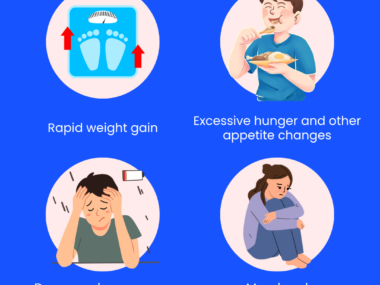
Damage to the hypothalamus, an area of the brain that helps control hormone signaling, can cause AHO. Injuries or tumors in this area lead to imbalances in key endocrine glands — the adrenal and pituitary. Together, these centers regulate several essential bodily processes, including metabolism and eating behaviors. Disturbances can lead to excessive hunger, slower energy expenditure, rapid weight gain, and other AHO symptoms.
Although hypothalamic tumors and surgeries to treat them are common triggers of AHO, only a subset of patients with tumor-related injuries develop the condition. In the study, the researchers investigated factors related to AHO risk among children with hypothalamic tumors.
“In particular, we sought to explore whether specific surgical techniques and distinct pituitary hormone deficiencies were more frequently observed in patients with obesity, with the goal of improving early recognition of vulnerable patients in clinical practice,” they wrote.
The team examined medical records for 34 participants from a single medical center. The median age at tumor diagnosis was 6. For the vast majority of the children, this diagnosis occurred before puberty.
Over a median follow-up of three to 3.5 years, 44.1% of participants developed AHO. Compared to those without AHO, this group was significantly older at the time of diagnosis. They showed signs of obesity a median of three months after their tumor diagnosis.
Of the 15 children with AHO, four were obese before their tumor diagnosis. However, the researchers believed this was still related to the tumors rather than other underlying causes. “A detailed analysis of the four cases in question support the hypothesis that their obesity was an early manifestation of hypothalamic damage,” they wrote.
To assess factors that could have influenced the risk of AHO, the team investigated treatment and metabolic or hormonal problems. They found that hypogonadism, a deficit of sex hormones, had a significant relationship with AHO. Children with hypogonadism had more than a 20-fold higher odds of obesity.
However, hypogonadism can be difficult to measure before puberty. About two-thirds of the participants remained prepubescent throughout the study, which could have affected the risk relationship.
Insufficient levels of adrenal gland hormones were also significantly more common in the AHO group. Among other functions, the adrenal gland produces cortisol, a hormone involved in regulating blood pressure, blood sugar levels, and stress. Children with adrenal insufficiency were 5.62 times more likely than those without to have AHO.
Certain metabolic problems were significantly more common among participants with AHO. This included fat imbalance (dyslipidemia) and problems responding to insulin (insulin resistance). However, “these findings likely reflect metabolic consequences of obesity rather than independent predictive factors,” the team wrote
Another difference between the AHO and non-AHO groups was the prevalence of surgery for tumor removal. Having surgery was linked with a significantly greater chance of obesity. The team also noted that all of the children who underwent pterional craniotomy, a surgical approach that involves making an incision near the temples to access the brain, developed AHO.
However, in a follow-up analysis, a pterional craniotomy was not statistically associated with obesity. Likewise, different tumor types did not appear to be associated with the risk of developing AHO. These results may suggest that the extent of tumor-related or surgical damage is more relevant to AHO risk than the specific types of tumors or surgeries.
The team noted several limitations to the study, including the relatively small number of participants. Information about other treatments, including chemotherapy and exercise therapy, was incomplete, which could also have affected the analysis. This type of missing data is often a challenge with retrospective studies, which utilize existing records.
“Larger prospective studies incorporating standardized radiological assessment are needed to better clarify the determinants of obesity in children with hypothalamic tumors,” the researchers wrote.